Categories
Educational Newsletter

What Can I Do To Save Money and Help Our Climate?

Four fun and easy ways to save money and energy in your home right away!

by Suzanne Buchauer

“Help!  The climate crisis seems too big, and I just don’t know where to start!”, you might hear or even say.  How frustrating and draining! If only there was a way to save more money and help the environment at the same time…

When ready, here are four strategies to find relief from your worries about saving money and reducing your energy costs.
1) Make an attic stair insulation box or buy a kit.

A video showing how to make an attic stair insulation box.

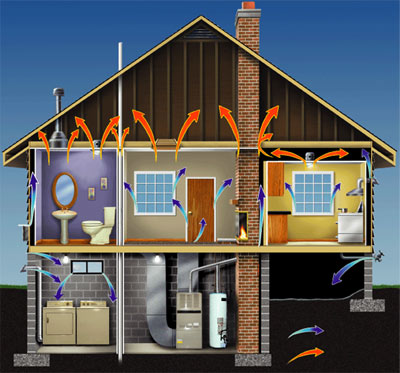
EPA estimates that homeowners can save an average of 15% on heating and cooling costs (or an average of 11% on total energy costs) by air sealing their homes and adding insulation in attics, floors over crawl spaces and basements. (Internet search)

Insulation in an attic opening.

2) Stuff insulation up the fireplace if you don’t use it.  There are also kits to do this:

Here, we put insulation up the chimney, and we will be adding another cover soon.  We don’t use this fireplace.

3a) Dry laundry indoors, near the boiler, in the winter, or in the bedroom for some humidity.  

In Europe, washing machines are not sold WITH dryers, generally. Becoming creative, you can find a way to hang even long bedding.  We hang our laundry all year round and we use a dryer extremely rarely. (See pole for ideas on hanging sheets and bedding below, in tight spaces)

Project Laundry List estimates the average household could save 10 to 20 percent on utility bills by hanging the wash! Line drying laundry also protects the environment, protects the clothing, and conserves energy for your fellow man. (Internet search)

Several laundry racks.

Here you can see several hanging rack options, which fold nicely: three-tiered tower; long rack, with sides that pull out; foldable long rack; plus, an adjustable V-shaped rack that fits into small spaces easily.

3b) Buy a pole to put up over door/window jams in tight spaces, to hang bedding.  The longer sheets can be folded and hung on plastic hanger, until somewhat dry, then unfolded and turned around, or placed on the long racks to dry, spread out—Tip: keep the door open to the room where laundry is being hung, to help with circulation—near a heater is easy as well:

A woman demonstrating hanging laundry from a raised pole.

4) Buy cellular blinds, which will save significantly on energy, day and night—all year round.  They are like blankets for the windows and REALLY make a huge, noticeable difference in feel (inside comfort), in cost and in energy savings.  They keep the cold and heat out!

Cellular blinds hanging in front of a window.

These shades can reduce wintertime heat loss by 40% or more. During a heating season, that equals an energy savings of 10%! During months when you rely on air conditioning, cellular shades reduce solar heat by 60%. Used year-round, cellular shades can lower your total energy consumption by as much as 15%. (Internet search)

Please let me know your energy saving ideas that are working at your home. Together we can make a difference.
Portrait photo of the author.

suzanne@dyslexia-works.com
Happy exploring for ways to save on money and energy, in your
homes.

Categories
Event

Next Week (February 7): Nyack Climate Solutions Fair

Don’t miss the upcoming Nyack Climate Solutions Fair on Wednesday, February 7 from 7:00-9:00 PM at the Nyack Center (58 Depew Avenue).

All sorts of exciting local groups and initiatives will be represented, including the Upper Nyack Green Committee. Join us to learn more from neighbors and to get involved in these community efforts!

Categories
Call to Action Educational Event

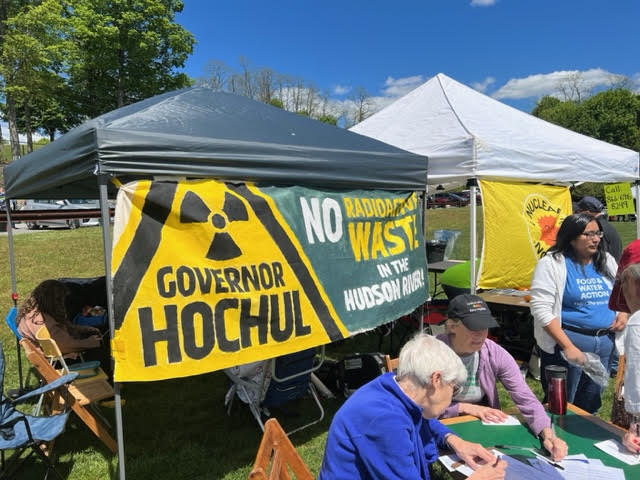
Green Committee Participates in Rally to Protest Radioactive Water Dump in the Hudson

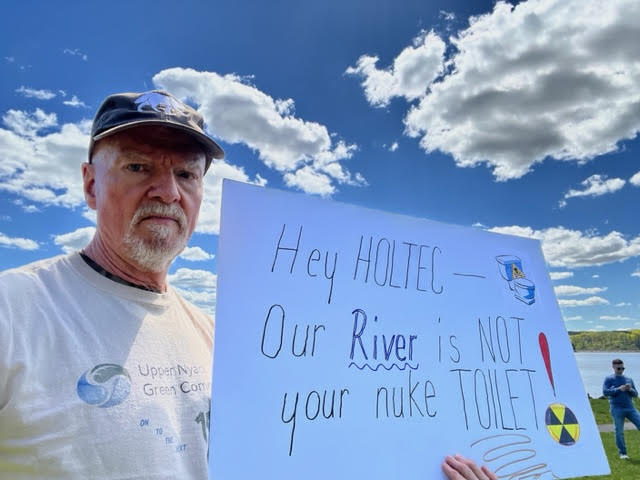
The Green Committee took part in the “Rally to Save the River” in Cortlandt on May 6. The rally was held to protest against plans of Holtec International “to discharge 1 million gallons of radioactive water into the Hudson River as part of its decommissioning process,” as noted by the Cortlandt Town Supervisor. In April, Holtec agreed to suspend, but not cancel, its plans. As stated by Food & Water watch, the waste “contains toxic contaminants, including tritium. Exposure to this radioactive isotope is linked to cancer, miscarriages, genetic defects and other adverse health effects. There is no safe dose of radiation and its harmful impacts are cumulative.” Holtec argues that the plant has carried out similar wastewater discharges since the 1960s, but, as Riverkeeper notes, “Just because these discharges have occurred for more than 40 years does not mean they are the best disposal method…The ideal situation is zero radiation entering the Hudson River.”

The Green Committee participated in the public comment period, noting that science has not made significant enough advances to credibly safely dispose of or alleviate the dangers of tritium. To dilute tritium by dumping it in with water from the Hudson river, subject to the forces of ebb and flow, would offer no guarantees as to where remnants wind up, how much marine or wildlife might be affected, how human consumption would be impacted, and over how long a time period these effects might last.

 The Green Committee also signed the petition to the governor to sign the Save the Hudson Bill and to implement a two-year moratorium on dumping or moving nuclear waste. Instead, the bill calls for storing radioactive tritium and continually monitoring storage casks.

Categories
Educational Newsletter

Celebrating Neurodiversity and our Nature  on Autism Acceptance Month 


by Suzanne Buchauer

While hiking the Long Path along the historical Hudson River yesterday, it dawned on me just how many autistic/neurodiverse individuals ended up contributing to our efforts to interpret, understand, and discover our world. The neurodiverse people below have helped broadened our collective knowledge, understanding, and wisdom about our natural world. It is a common trait of autistic individuals to be extremely focused, detail-oriented, and passionate about their particular topic of interest. Those are only a few of the talents, gifts and strengths of being neurodiverse.

Let’s take a moment to remember, to contemplate and celebrate neurodiverse individuals, whose love of animals and our natural world has made huge impacts on our lives.

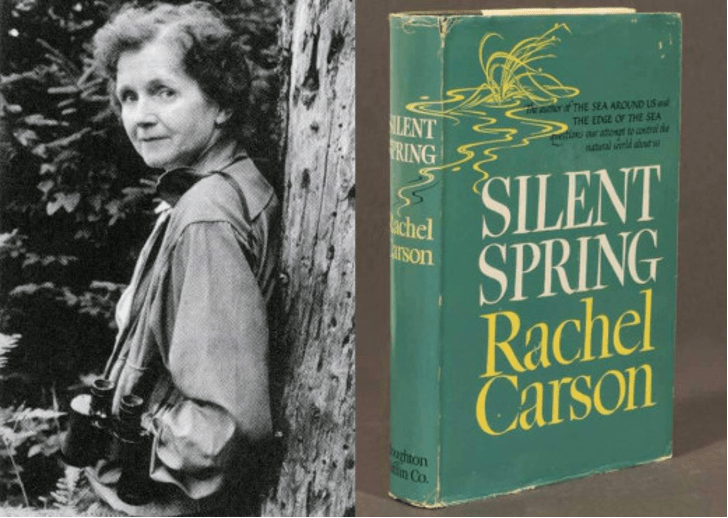
Rachel CarsonBiologist, writer and ecologist

Carson’s passionate concern in Silent Spring is with the future of the planet and all life on Earth. She calls for humans to act responsibly, carefully, and as stewards of the living earth.  Michael Fitzgerald of Trinity College in Dublin explored her life and personality with the traits and characteristics of what we call being on the autistic spectrum and wrote a subsequent research paper called:  Rachel Carson was on the Autism SpectrumYou can read the paper here.

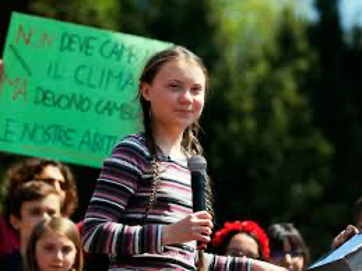
Greta Thunberg—Swedish climate activist

Greta has captured the hearts of many in the world.  She is passionate about getting the word out about climate change.  Greta is particularly well known for challenging world leaders to take immediate action for climate change mitigation.

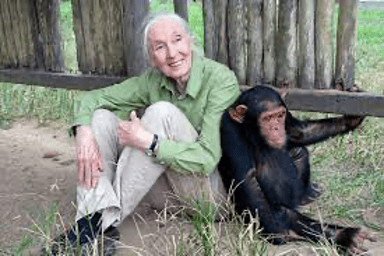
Jane Goodall—Primatologist and Anthropologist

Jane Goodall was the first person to observe chimpanzees using tools—a trait that was thought to be uniquely human.  The discovery helped shape the way we see animals and ourselves.

See this excerpt from Temple Grandin (Chapter 8: “Wildlife”) which discusses Jane Goodall’s work and the connection with strength based autistic traits.

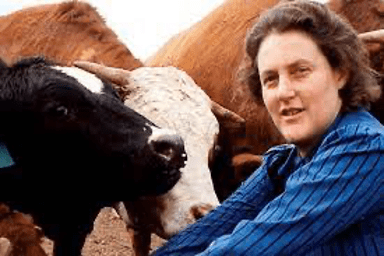
Temple GrandinProfessor of Animal Science at Colorado State University

She is a consultant for livestock handling equipment design and animal welfare.

Temple Grandin has contributed so much to our understanding of ourselves, animals and clearly explains how many neurodiverse people see the world.  Her most recent book is called Visual Thinking, and is a must read for anybody who wants to understand themselves or others who are neurodiverse. Reading all of her books is super helpful as she compiles research to help us understand ourselves and the natural world.  Here are my personal picks for all people, though they are children’s books.  All children can benefit from these books about getting out into the real world and doing things with their hands:

Calling All Minds—How to Think and Create like an Inventor, by Temple Grandin

The Outside Scientist—The Wonder of Observing the Natural World, by Temple Grandin

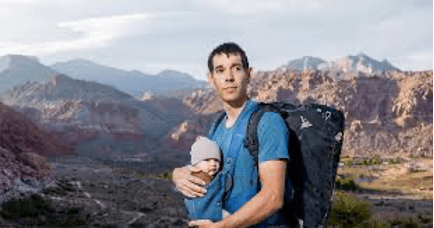
Alex HonnoldRock climber and solar energy advocate

Honnold admits to being “somewhere on the spectrum”.  He has a love for climbing, the outdoors and for adventure.  He is now a father and has stepped back from dangerous solo climbing for his family.  He has founded the Honnold Foundation, which is a non-profit to reduce environmental impact and address inequality by supporting solar energy initiatives worldwide.

Dara McAnulty—Author and iWill ambassador

McAnulty works with young people and working to save our environment.  He has experience with biodiversity, wildlife and the landscape of Fermanagh in Northern Ireland.

Daryl Hannah—Actress and Environmental Activist

Hannah is a board member of the environmental Media Association.  She co-founded Biodiesel Alliance to advocate for sustainable biodiesel practices and coordinate communication for sustainable energy future that benefits all sectors of our society.

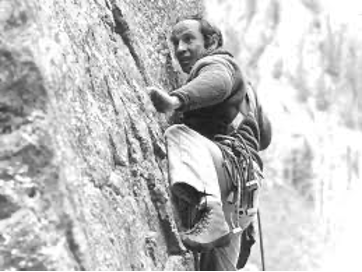
Yvon ChouinardRock climber, business leader, and philanthropist

Yvon is an  “alternative self-made businessman (who) taught us inspiring lessons on how to perceive the world and our lives as an ephemeral journey. We are only guests on a temporary planet.”  Yvon was reported to be a “loner and a geek” as a child. He found climbing by scrambling on rocks.  He is well known as an inventor for innovative gear developments for climbers, like ice axes, crampons, etc.  He founded Patagonia and has recently made history by donating 98 percent of Patagonia’s common shares, to a newly established nonprofit organisation, which will be the recipient of all company profits and be used in funds to combat climate change. 

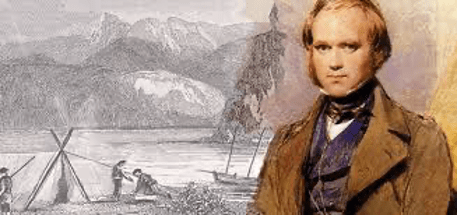
Charles Darwin—Naturalist, geologist and biologist

Darwin was an intrepid explorer and accomplished naturalist.  His love of  nature and his ability to explain his observations and findings, such as adaptation and natural selection was key to our understanding of modern science and our view of the natural world today and ever thereafter.

These are just a few of the people who are very likely humans on the spectrum and/or otherwise neurodiverse, and who love nature.  We need neurodiversity and the  innovative thinkers and doers who get out there and make invent, explore, and do.  Thankfully, many big donors and doers love our environment, so with the increase in neurodiversity, there is a chance for us and our earth! 

Being neurodiverse is very cool and in, useful and empowering; in the words of Temple Grandin:

“What would happen if the autism gene was eliminated from the gene pool?” You would have a bunch of people standing around in a cave, chatting and socialising and not getting anything done.”

Temple Grandin

May all thinking types be celebrated, appreciated and embraced, this month and every month.  Happy exploring everybody!

Suzanne Buchauer is a Davis Dyslexia Correction Facilitator and Autism Approach Facilitator living and working in Upper Nyack, New York. Visit: www.dyslexia-works.com.

Categories
Newsletter Op-Eds

Despair Won’t Solve the Climate Crisis 

by Talia Reiss 

As young people post feelings of hopelessness about climate change, social media is becoming a cesspool of climate nihilism. 

“We could be extinct in less than 30 years,” exaggerated one Tiktok user. Though concern about eventual human extinction is justified, there is no evidence to suggest that it will happen in the next 30 years. Another TikTok user wrote, “Climate and environmental [advocacy] seems so hopeless in a corporate ruled capitalist world. It feels like we’re just sitting back and watching it all end.” 

No one can blame young people for their eco-anxiety. Recent trends reported by the Environmental Protection Agency show that climate change is escalating quickly, and most people can see the consequences in their own communities. In 2022, the world saw unprecedented heat waves, floods, wildfires, earthquakes, and tropical storms. 

This is a scary reality, which is precisely the reason that people deny climate change. Pretending climate change isn’t real allows people to avoid anxiety about the future and absolves them of any responsibility to fix it. But publicly pouring out feelings of despair isn’t going to change a climate denier’s mind; it actually does quite the opposite. Logically speaking, if people deny climate change because they don’t want to feel fear, giving them more to be afraid of will only make them more likely to deny climate change. 

Not only does climate despair discourage people from joining the movement, it can turn existing environmentalists away from the movement, too. When we push the narrative that the planet is already doomed, it tells environmentalists that our efforts are pointless and that we are helpless in the face of an unstoppable catastrophe. From there, it’s easy to become paralyzed by fear. Instead of actively pursuing a more sustainable lifestyle, we begin to disengage from the problem because it feels overwhelming and anxiety-inducing. 

It’s true that individual action alone is not enough. According to a 2017 article published by The Guardian, 100 companies are directly responsible for 71% of global greenhouse gas emissions.  So why should we bother with individual action? 

Consumers hold the power in our capitalist system. Corporations rely on consumers to make a profit, so when we stop contributing as heavily to harmful industries, the financial pressure forces profit-hungry corporations to compromise. So even though small actions like opening the windows instead of turning on the air conditioner or eating a few vegetarian meals a week can feel futile, we’re playing a vital role in making industry more sustainable. 

Making changes in our personal lives reinforces our commitment to the environment and keeps us engaged in the broader movement. At the very least, individual action can help us feel like we’re in control, which empowers us to fight harder for systemic change. Local organizations like Keep Rockland Beautiful, Rockland Sierra Club, and 350 NJ-Rockland are great places to get involved. 

It’s okay to feel anxious about climate change, but spreading despair on social media is not the solution. We have good reason to be hopeful: with the Inflation Reduction Act of 2022, we have taken a historic step towards reducing greenhouse gas emissions and mitigating the effects of climate change on low-income communities. We can solve this, but only if we channel our eco-anxiety into a movement that will push us towards a more sustainable future. 

Talia Reiss is a senior at Nyack High School and editor-in-chief of the Nyack Spectrum.

Categories
Educational Event

Outreach at the Upper Nyack Block Party

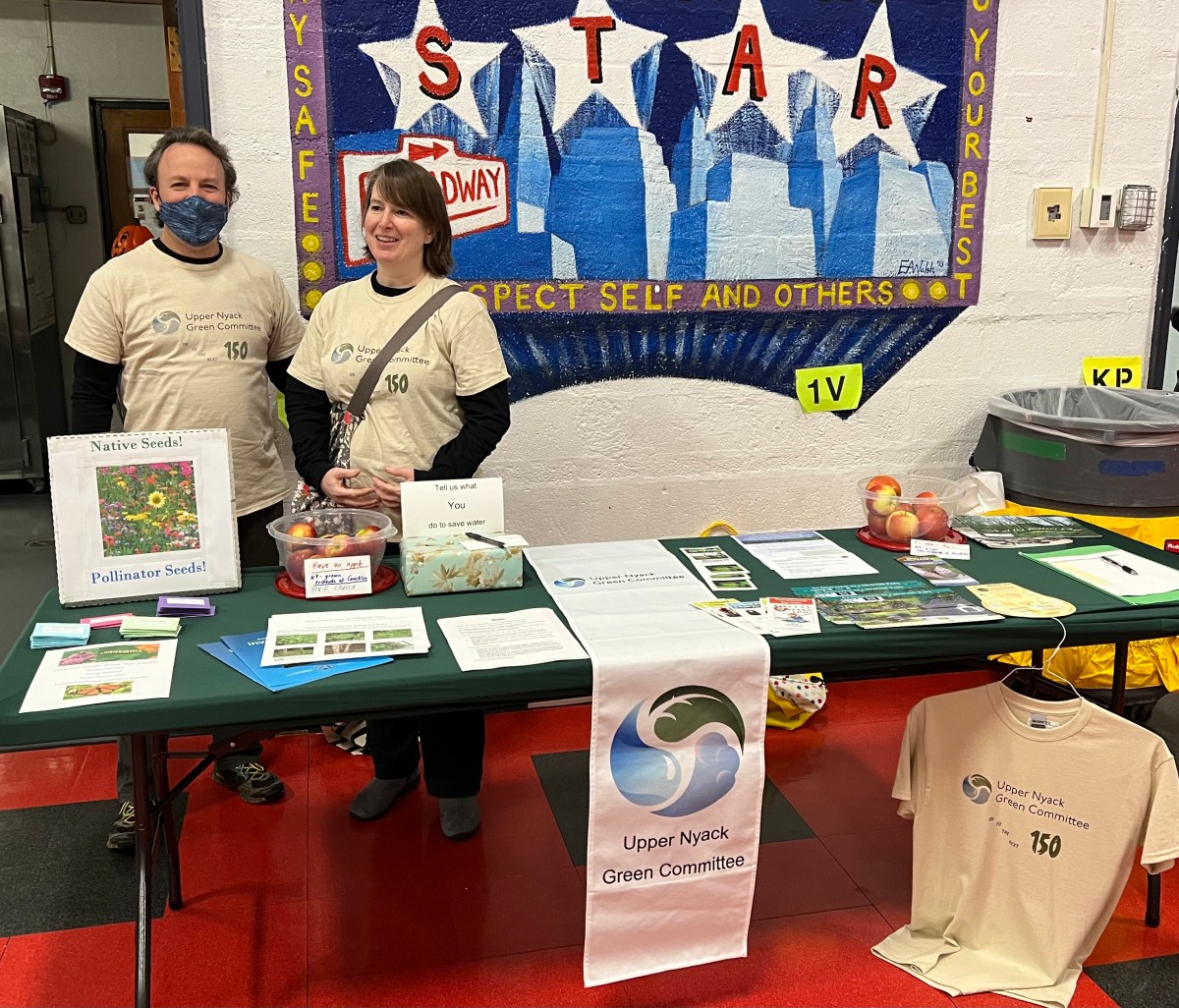
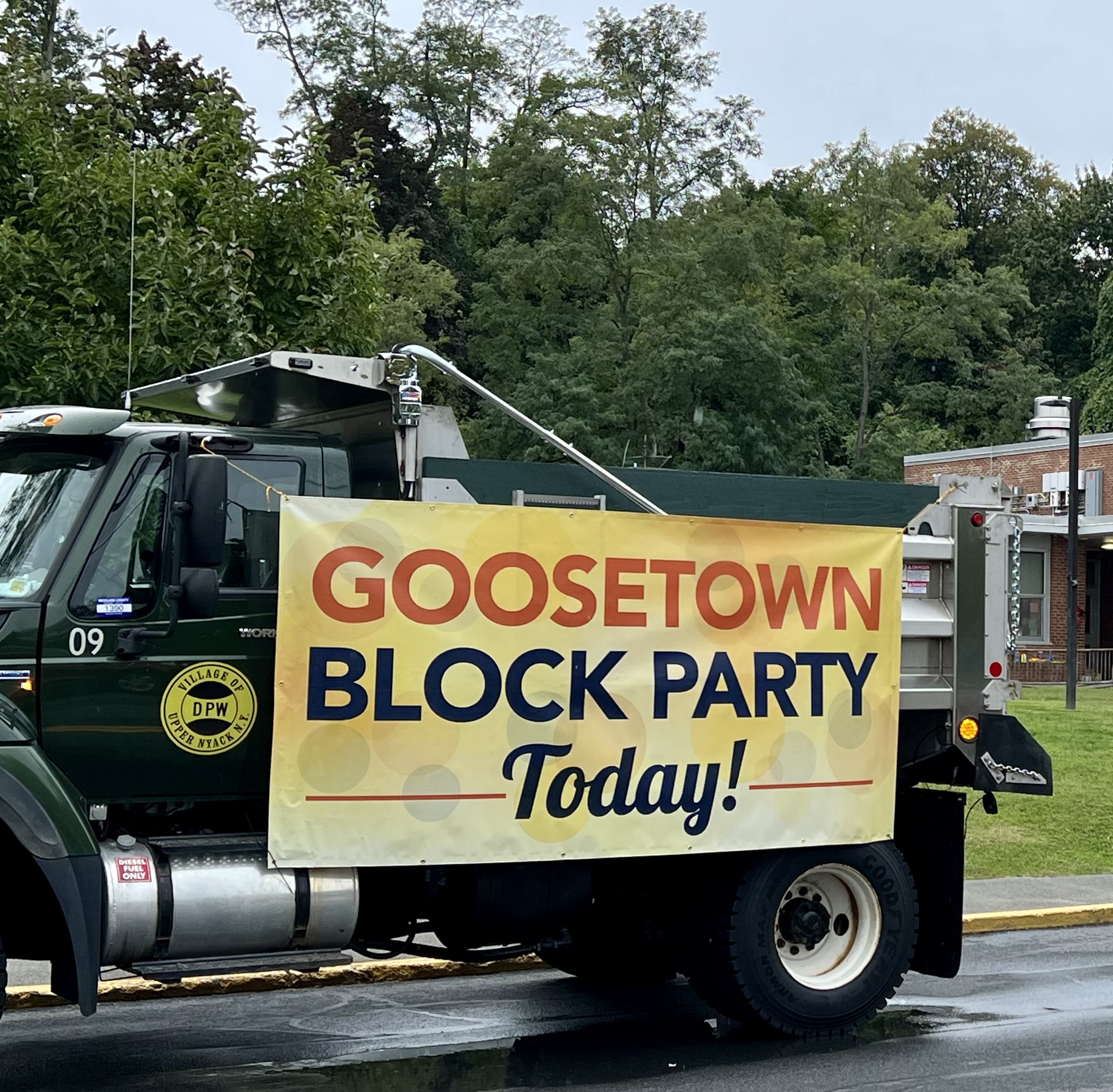
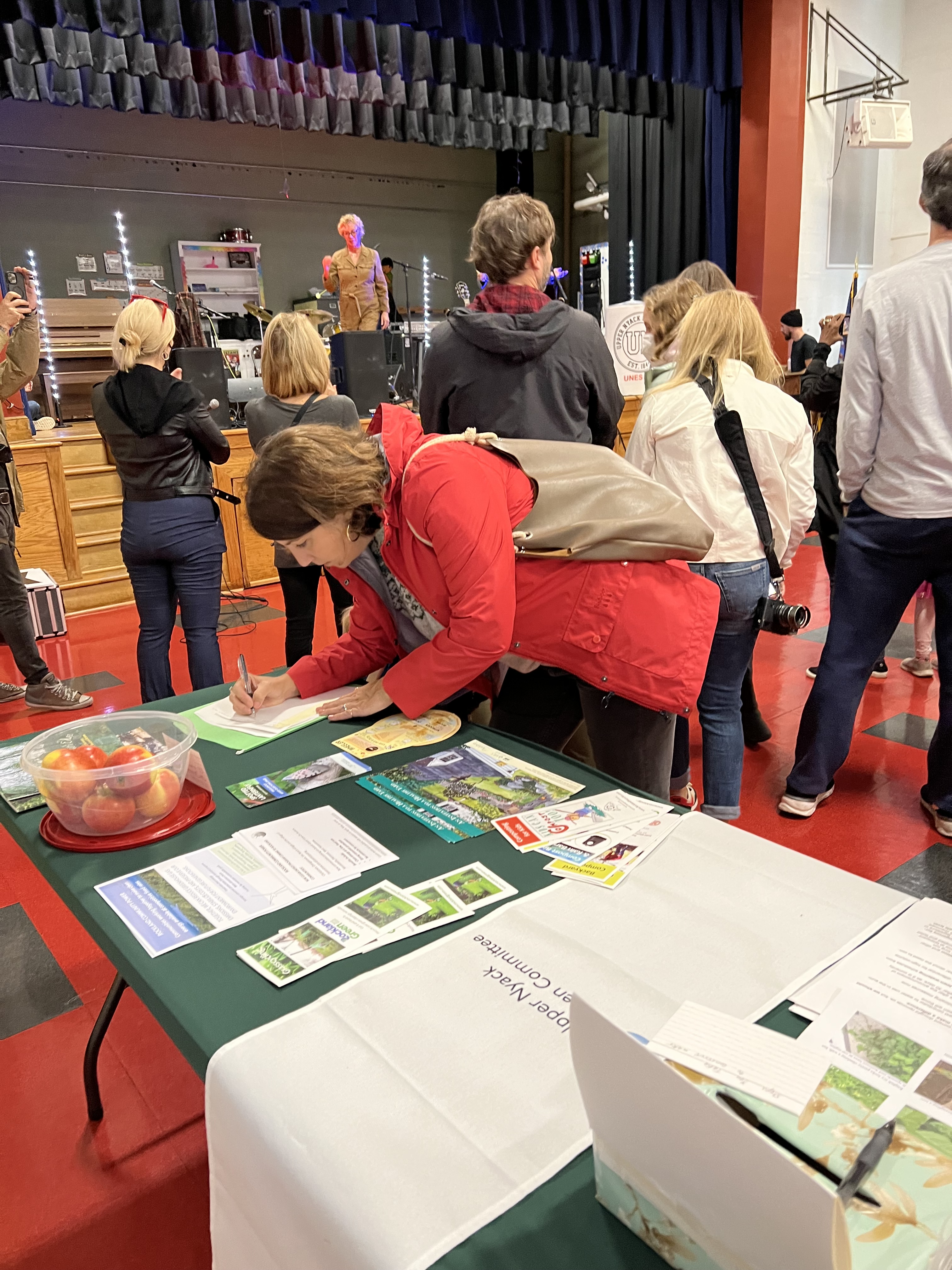
Representatives of the Green Committee recently joined other residents to celebrate Upper Nyack’s 150th anniversary at the village block party. Due to the weather, the events moved largely indoors. The Green Committee table saw plenty of curious visitors, including many kids. The seeds we handed out and the New York orchard apples were big hits. The topics of highest interest among residents were: invasive plants and what to do about them; composting; learning about water conservation; lantern flies (several spottings in Nyack, some in Upper Nyack); and noise and air pollution from gas-powered lawn equipment.


Thanks to all who helped the Green Committee in its outreach!

Categories
Educational

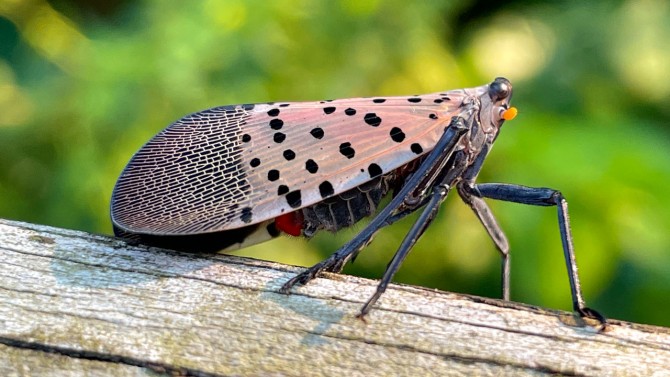
Look Out for the Spotted Lantern Fly

The Cornell Cooperative Extension in Rockland County reminds us to keep an eye out for the invasive spotted lantern fly.

As Upper Nyack Green Committee member Suzanne Buchauer notes, you can go into your yard to find and eliminate eggs, or contact the Cornell Cooperative Extension, if you spot either eggs or the lantern fly.  Eggs can be on trees or on other objects.  Here is a link on how to rid yourself of the eggs, or if you don’t want to do that yourself, call for help and to report them.

You can fill your baggy with either hand sanitizer or alcohol as long as when you scrape these eggs into the bag, the eggs get in contact with that alcohol. That will make sure you kill them.

Here is more information from the Cornell Cooperative Extension.

Categories
Op-Eds

The Trees’ New Year’s Wish

by Suzanne Buchauer

Our Trees got together and wrote us a letter.

Dearest Humans,

Thank you for providing us with a place on your property. I love providing shade for your bodies, branches for children to climb on, a spot for a tree house, beauty for your eyes, oxygen for your noses, and the gentle sound of rustling leaves for your ears. Since being out of the forest, for so long, we wish to tell you that sometimes, we can become cold and hungry; we wanted to write and explain to you what would help us feel better and help us remain healthy for you, for years to come.

Please, let us have the food that was made for us. Let us explain how easy this will be for you to help us year round.

Please place the leaves that fall from our branches around the base of our trunk each fall. If you want to know how we prefer to live, go to the forest and have a look. In the forest, the leaves fall and stay at our cousins feet, to feed, warm and nourish them.

It is very frustrating when we hear the blowers come and see you with rake in hand, then watch our food and bedding being taken away each year. We love and need our food. What we sincerely wish for and desperately need is for the leaves to be left at the foot of our trunks. It can be a ring, the size that our majestic arms extend—consider it free mulch, with benefits. It provides us with vital nutrition, which we need to stay healthy and strong. As the leaves break down, they will also enrich your soil around our roots, which we will then thrive in, and the leaves will turn into rich black hummus, with time. We call that black gold.

There are disadvantages for you humans as well as us trees, if you take our leaves away.

If you take away our leaf food, it has to be transported, which costs time and costs you money.

If you take away our leaf food and leave the place at the foot of our trunks bare, we do not have a cozy blanket to protect our roots during a harsh winter and may become weak.

If you take away our leaf food and it is taken to a dumping site, the leaves sit on the dump in huge piles, which then produces methane gasses which hurt humans and our planet.

If you take away our leaf food your soil will not be enriched by the leaves, as they naturally decompose.

If you take away our leaf food, we will be very hungry and become unhealthy, so you will have to spend money to buy and use fertilizer and chemical food and treat us for disease.

If you take away our leaf food and replace the area below our trunk with colored mulch, it adds chemicals to our soil and it is not healthy for us.

We notice that you may not find pleasure in the way our food looks and we were thinking that may be why you want to get rid of it. How about this idea, we had, to help you:

If you do not like the look of our leaf food, you can make the mulch leaf ring and put wood chips on top. That would help the food break down easier and even be better for us, trees.

Leaves are our natural food; we love leaves and need our leaves. When you take them away or blow/rake them to another place in the yard, you are taking our leaf food away from our roots.

Please, allow us to keep the leaves which are made for us to eat, so that we can stay healthy for you and all of your senses, and so that you can enjoy us in your yard and on your property.

In hope and with care, that is our Happy New Year tree wish.

Yours Treely,

Your Trees.

Suzanne Buchauer is a licensed Davis Dyslexia Correction Facilitator and Davis Autism Approach Facilitator, dyslexia-works.com, who lives in Upper Nyack, NY.

This article originally appeared in the Earth Matters section of Nyack News & Views.

Categories
Roving Reporter

Roving Reporter: September 2021

Categories
Newsletter

In Praise of Green

I write in praise of green – and of yellow, pink, white, purple, magenta, red – of all the glorious colors of spring unfolding in this strange April of 2020. We in the northern hemisphere have the great good luck of sheltering in place just as spring bathes us in color, sound, and fragrance.


Our yards and neighborhoods soothe us, invite us to exercise, call children to play. People of all ages are tiring of screens. Children are playing on swing sets, throwing balls, racing to capture the flag. Parents are urging children to go outside, find something to do, play with their brothers and sisters as children did before play dates and structured athletics filled their days. I like to think that imaginations are flourishing in new ways.


Time slows as it stretches out before us. Senses are sharpened. I see things I haven’t before.Sitting in a lawn chair, I gaze into our massive black cherry tree – can it be 100 years old? – its blossoms blazing against the blue sky. I watch its shadows, its soft movement of branches in a light wind, the brilliance of its white flowers. It feeds my hunger for something that isn’t virtual,something alive, moving within my reach. Each day I walk our garden, noticing another 1/4 inch of a green shoot, finally a bloom – first snowdrops, then crocuses, daffodils, now tulips. Peony shrubs are growing larger, hostas are emerging, the leaves of Japanese maples add russet red to the spring palate. The scent of our viburnum sweetens the air.

Why is animal life more compelling? A squirrel sits on a boulder munching contentedly on something he’s dug up from the earth. Suddenly he scampers up an oak tree, another squirrel in hot pursuit. A game? There’s plenty of food to go around. A blue jay and a robin battle for territory or a turn in the birdbath. I listen to birdsong, wishing my friend from Audubon were with me, to identify calls. Occasionally a turkey or two make an appearance. Coffee in hand, I stand at the window and watch for a long time, noticing birds in the trailing vinca, a fern unfurling, new red growth on the andromeda. A friend said to me once, at a period of deep grief in her life, “I have a visceral need for something alive.”

We’re grieving now – for lost loved ones, for new grandchildren we can’t hug or touch, for lost jobs,for life as we know it. For freedom to come and go, to travel from home, to walk or run in parks welove, to rip off our masks and gloves, to throw our arms around friends and family. Enough of Zoom, Skype, face time, virtual concerts and streaming films.


People who haven’t walked and hiked with enthusiasm are discovering their importance. Sadly,their urgency to be outdoors has outdistanced their caution and consideration for others, so parks have closed. It’s probable, though, that more people than ever are feeling the loss of woodland trails, of walks by a river or lake, of wide fields where children can run. We’re staying home, driving less, enjoying the quiet as gas blowers are silenced. We know that people are suffering from layoffs, landscapers are hurting, the price for giving up business as usual is too high. But maybe -just maybe – the benefits of cleaner air, the reassurance of spring returning, our hunger for life unfolding, our need for the earth – are becoming essential to more of us.


I’m reminded of a poem by Wendell Berry. I’ll end my reflections with his words. I hope you’ll listen to them too, read by the poet.

https://audioboom.com/posts/3556168-the-peace-of-wild-things-read-by-wendell-berry

The Peace of Wild Things

When despair for the world grows in me

and I wake in the night at the least sound

in fear of what my life and my children’s lives may be,

I go and lie down where the wood drake

rests in his beauty on the water, and the great heron feeds.

I come into the peace of wild things

who do not tax their lives with forethought

of grief. I come into the presence of still water.

And I feel above me the day-blind stars

waiting with their light. For a time

I rest in the grace of the world, and am free.