Categories
Educational

Plastic Pollution and What We Must Do to Reverse It

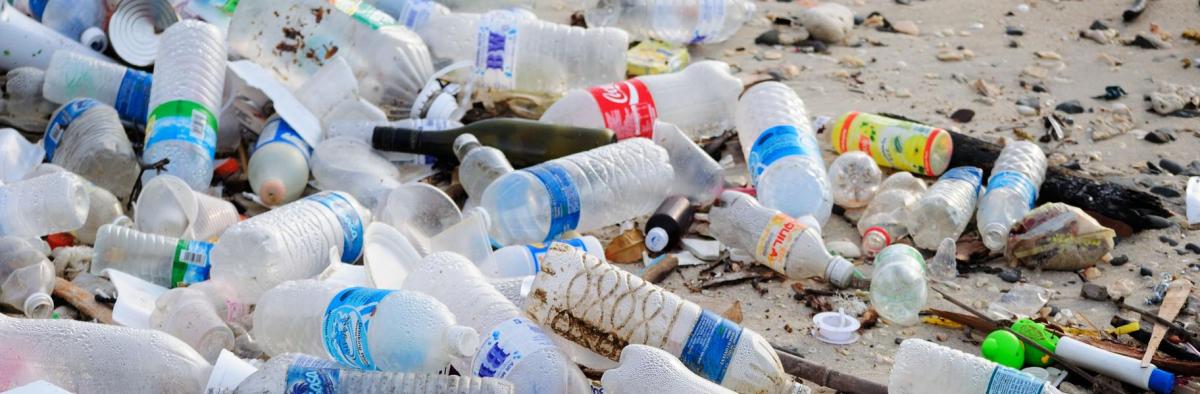
“A 2020 study by Science Advances found that the United States generates more plastic waste than any other nation in the world, some 42 million metric tons each year — the equivalent of 287 pounds per person. Of that, less than nine percent of discarded plastic is recycled, according to the most recent statistics available from the Environmental Protection Agency…

Experts say a holistic approach that includes recycling, changing consumer behavior, advocacy, and government regulation is needed to reverse these trends.”

Read more in this important piece on Scenic Hudson.

Categories
Educational

The Effects of Sea Level Rise in the Hudson Valley

Check out this highly informative, 8-minute video from the Lamont-Doherty Earth Observatory on how projected sea level rises will affect communities, such as ours, along the Hudson River. The field exploration shown in the video uses Piermont Pier and Alpine Boat Basin as examples.

Categories
Call to Action

Petition for a Feasibility Study to Consider Public Ownership of Rockland’s Water Supply

Did you know…?

  • According to the NY State Comptroller, Rockland County had one of the highest water rates in the state.
  • Rockland’s major water system has had chronic water quality problems – in addition to water pressure problems which have led to increased cost and even loss of life.
  • Suez Water NY, Rockland County’s major water supplier, is owned by a multinational corporation.
  • Suez is currently in the process of selling our water system to Veolia – an even larger multinational corporation.
  • Join Rockland County water advocates in asking our new Governor and other elected officials to order a feasibility study to consider whether it is in Rockland’s best interest to create an independent local public water authority rather than continuing private, corporate ownership of our water.

Link to sign the petition here.

Categories
Newsletter

How Lawn Pesticides Impact Health and Environment

By Addison Chappell

Landscapers often use pesticides to produce perfect, bright green lawns for their clients. But what exactly are they spraying? Is it safe? These are questions homeowners should be asking.

Beginning in spring, and continuing through fall, legions of landscapers and lawn services move into action. It is estimated that in 2019, the lawn care industry generated a combined total revenue of just over $99 billion, with each household spending an average of $503 on lawn care and gardening activities (Mazareanu).  Pesticides account for about $6.8 billion of that amount. In the US alone, more than 70 million pounds of pesticides are dumped on some of America’s 30 million acres of lawns each year.

Many of pesticide companies promote their lawn products as “green” or “environmental”. The truth may be the opposite. In March 2020, a Washington DC non-profit group, beyondpesticides.org, whose mission is to work with allies to protect public health and the environment by transitioning to a world free of toxic pesticides, sued one of the biggest lawn care companies, TruGreen, for misrepresenting the safety of the toxic chemicals it uses. 

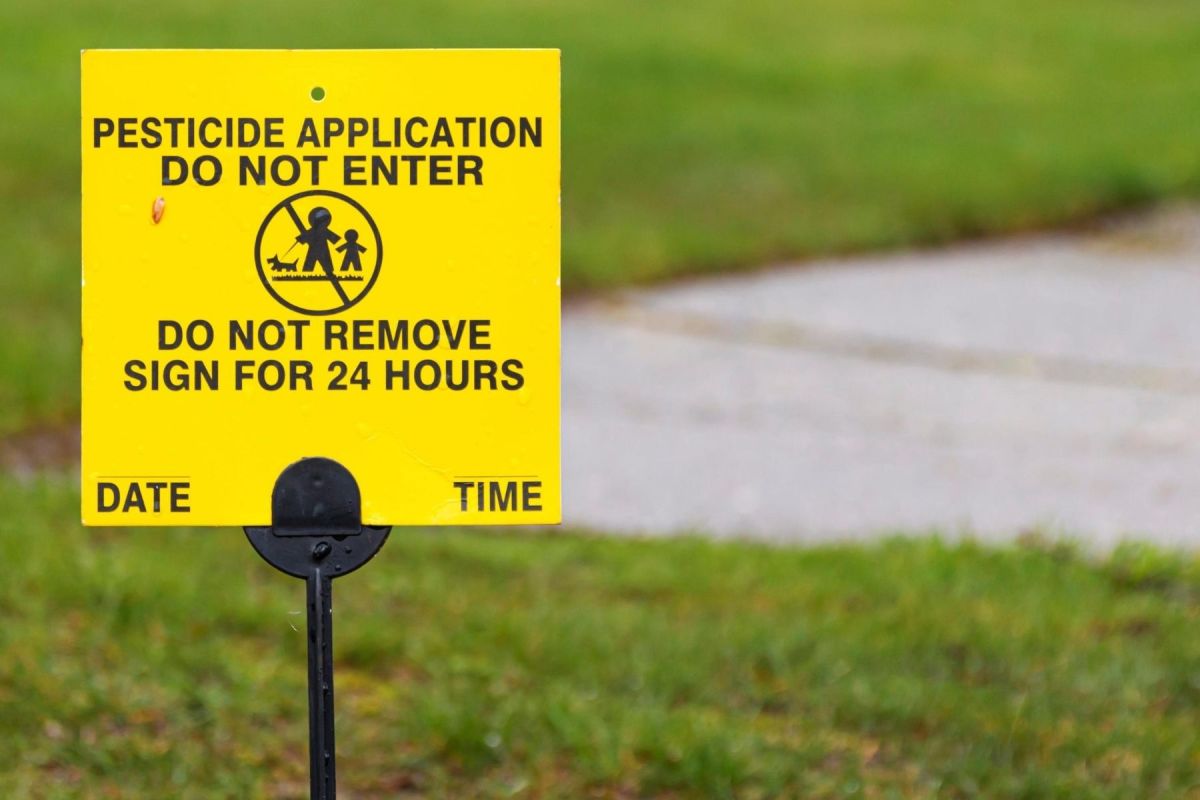
Under New York state law, the pesticide company is required to notify you in advance whenever a pesticide application will be applied to your neighbor’s lawn. Companies are also required to put up small signs for at least 24 hours that indicate a lawn has been sprayed. This notification lists all the chemicals that are used on the lawn. Many of these chemicals are dangerous. They include carcinogens such as Talstar (Bifenthrin), reproductive and developmental toxins such as Barricade 4FL (Prodiamine), and endocrine disruptors such as Sevin (Carbaryl). A sizable number of these chemicals are banned in other countries.  

The impact on the environment is also profound. Pesticides can contaminate soil, water, turf, and other vegetation. In addition to killing insects or weeds, lawn pesticides can be toxic to a host of other organisms including birds, fish, beneficial insects, pets, and other non-target plants.

What can you do:

Here are some things you can do to avoid these toxins:

  1. Leave it alone! Your lawn is an ecosystem that supports a wide variety of plants and insects. Let them thrive naturally and see what happens. You can still achieve a green lawn!
  2. Convert it! Use some of that lawn space for a vegetable garden. Growing your own food is both rewarding and healthy. If that’s not for you, convert some of that grass into a flower bed with native plants that attract pollinators.  
  3. Use Nature! Find a certified natural alternative that is proven not to be harmful to your health or the environment. Sometimes this means adding another native plant to the mix to discourage pests, or it might mean changing the pH balance of your lawn slightly to dissuade certain plants from thriving.
  4. Get involved! Help to educate your neighbors on the use of pesticides in lawn applications. Demand meaningful legislation from lawmakers to outlaw these toxic substances and to encourage the industry to move to more organic and healthful alternatives.

We need to rethink the importance of perfect green lawns. We should be asking ourselves: What impact are we having on the environment? Are there better ways to maintain our lawns? Are pesticides worth the risk of endangering both human health and the environment?

Read More:

To learn more about the risks of pesticides, check out some of the articles below:

Categories
Newsletter

Composting is Easy!

By Suzanne Buchauer

Spending more time in the garden has certainly allowed for more contemplation of how to best use the resources available to us, save the precious natural resources we are blessed with, and help to reduce large percentages of waste in our landfills. Composting ticks all the boxes of personal gain and community service—and it is very low cost, and helps save money for the greater good.

Our Composting Journey In Rockland County

When my family moved to Upper Nyack 5 years ago, 1 of the first things we noticed was a composting bin over the fence in our neighbor’s yard. She told us that she had gotten her recycled plastic composting bin through the Cornell Cooperative Extension. It made sense for us to try this method. The bin seemed contained, keeping critters out. It had air holes, a little door to harvest compost from below. And it’s lightweight.

So, we went and picked up a bin at the Rockland County Solid Waste Authority, which had the bins at the time. It was very easy to get and bring home and start using right away. And it is not costly. We placed it behind a juniper tree and started putting our raw food scraps in. At the end of the year, we moved the bin and threw some leaves and dirt on the remaining pile. It had decomposed, but slowly, and we noticed that certain items took much longer than others. We had not done any research and did not have prior composting experience. It took a few years before we figured out that adding so called “brown” material, such as leaves, ripped up paper egg cartons, shredded paper, or napkins, increased the process. Then, we figured out that smashing up the leaves and cutting up the veggie and fruit scraps that are larger or harder, like broccoli stems and watermelon or squash, helps even more.

A couple weeks ago, we heard a very informative and helpful Zoom presentation, sponsored by the Green Committee of Upper Nyack and given by Kristen Nora Ossman from the Cornell Cooperative Extension, and we learned even more–better late than never! Here are some of the things we learned:

If It’s Wet and Smelly, Add More Brown; If It’s Dry, Sprinkle Water

That was all we needed. Amazingly, we notice that the composting process goes SO MUCH quicker, does not smell, and it works. Composting was and now still is a process; it is gratifying and enriching to know we are doing our part for the larger good and to help our garden. Honestly, even if you just compost, move the bin each year and let it just go back into the earth right there, it is still helping to reduce waste in our landfill… by a very large amount!

Save Leaves For the Year

This year, now that the leaves are about to fall, we have planned on collecting and mulching them a bit—which is easy to do with your lawnmower. In our case, we actually got a leaf mulcher, due to the extremely large amount of leaves we have in our back area. I am excited that we will have mulched browns to put in our compost bin after every bucket of food scraps that we place in there.

What is your composting journey? Where are you in the process? Please know that there is information right here in Rockland County available to you (or on the wondrous interweb).

For more information on composting and the easy recycled plastic composting bins, see the website at the Cornell Cooperative Extension. I just heard that the bins are back in stock! Contact Jennifer Strianese, Administrative Assistant, Cornell University, Cooperative Extension Rockland County at 845-429-7085 x 117 or by emailing jas946@cornell.edu

Suzanne Buchauer is a member of the Green Committee of Upper Nyack. She is a Licensed Davis Dyslexia Correction Facilitator. Visit www.dyslexia-works.com.

This article was originally published in Nyack News And Views Earth Matters, September 23, 2020.